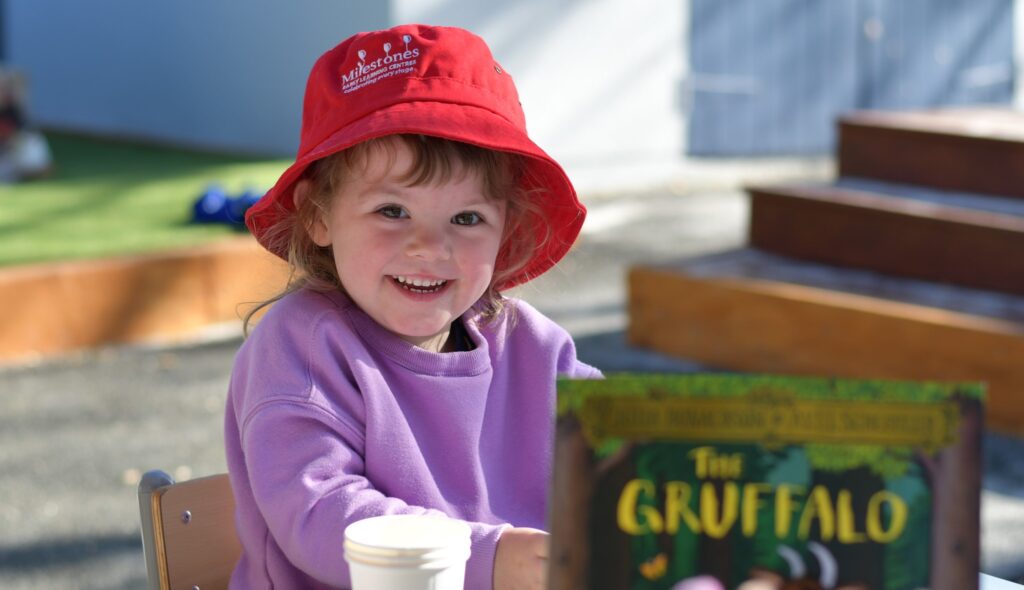
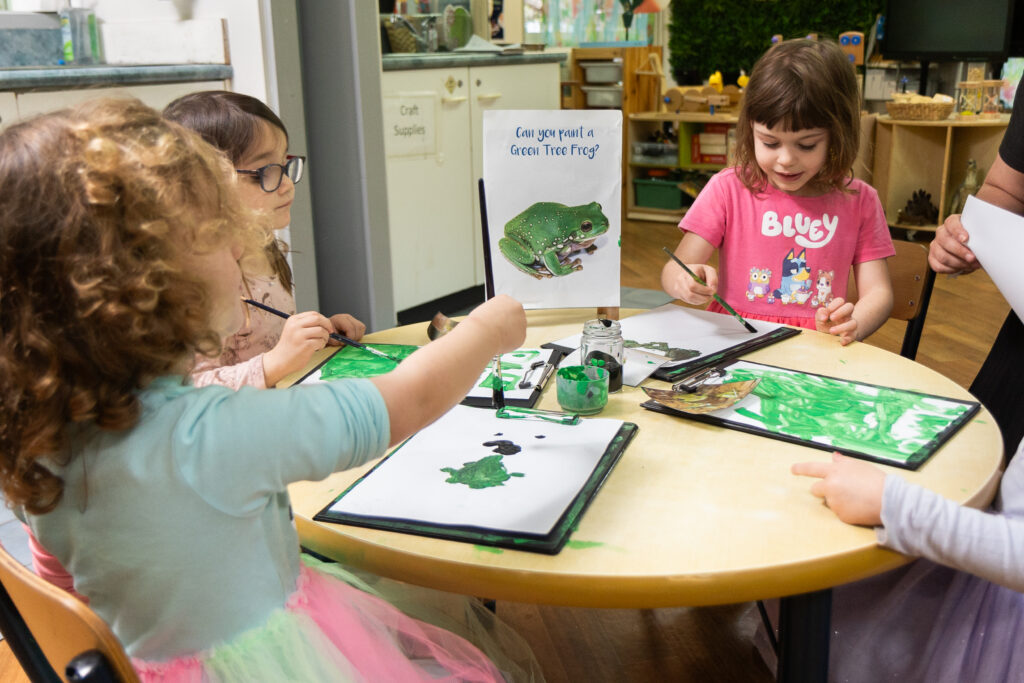
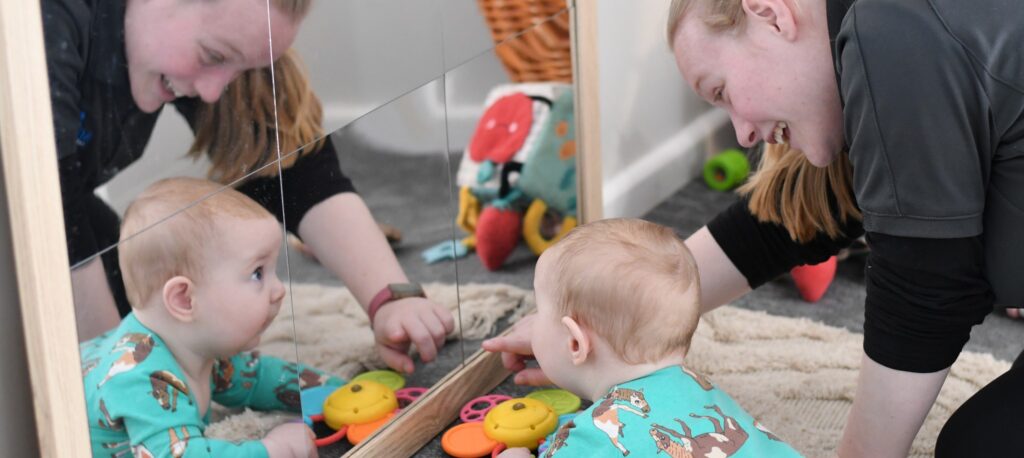
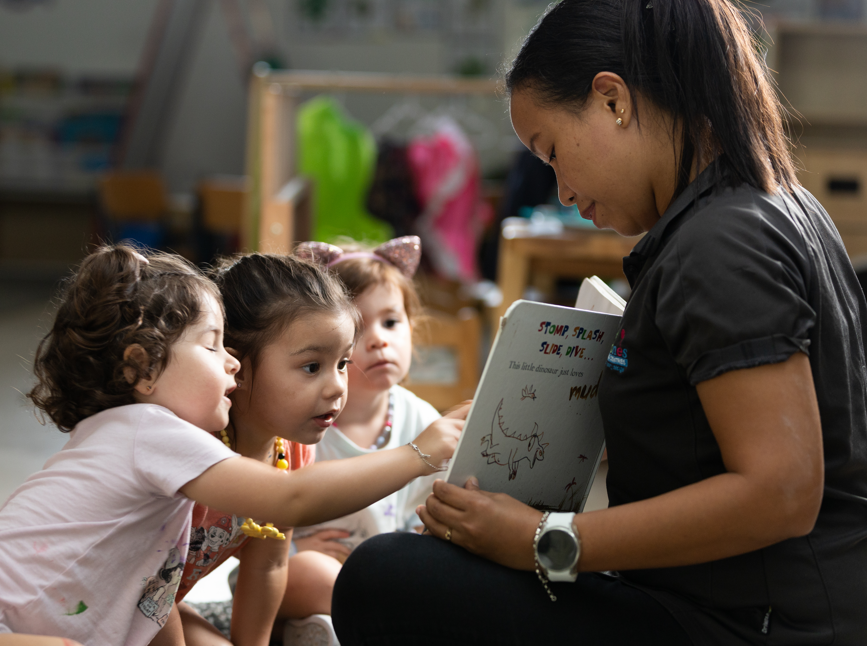
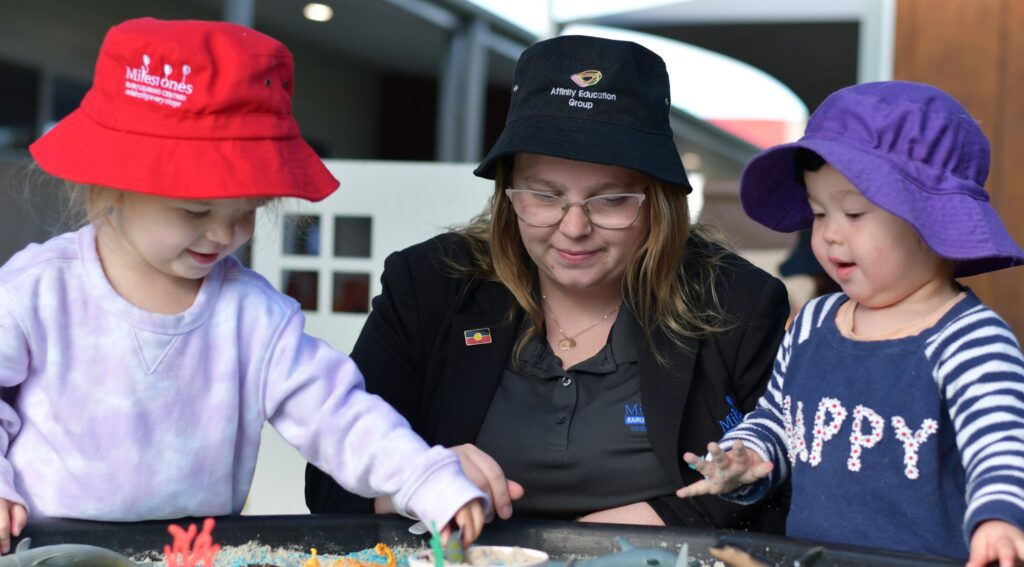
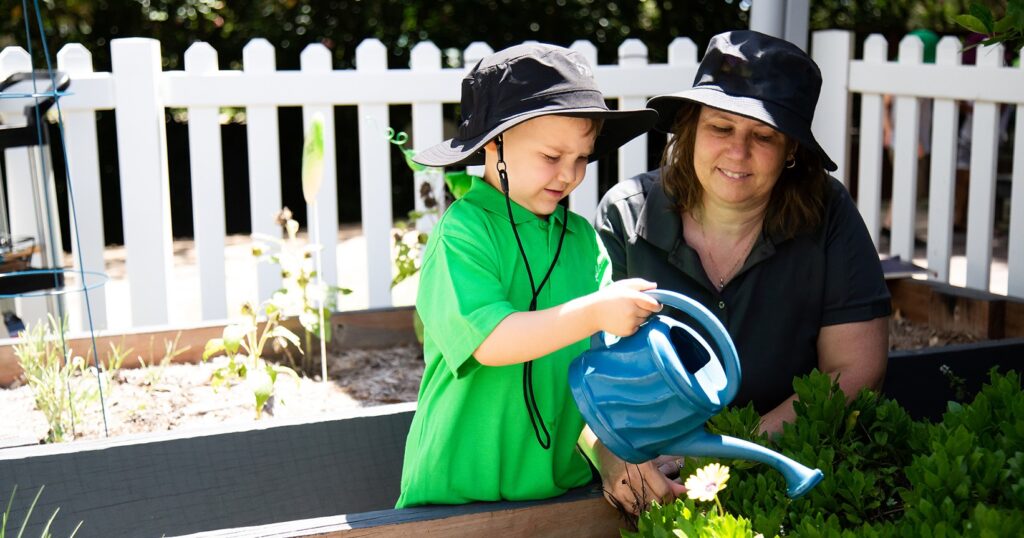
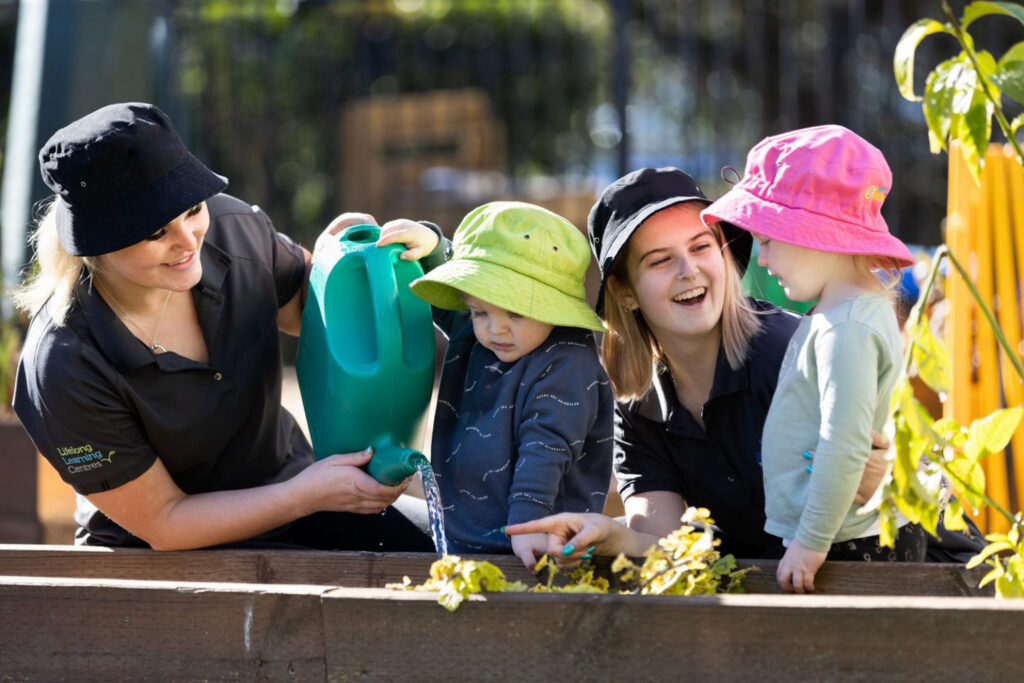
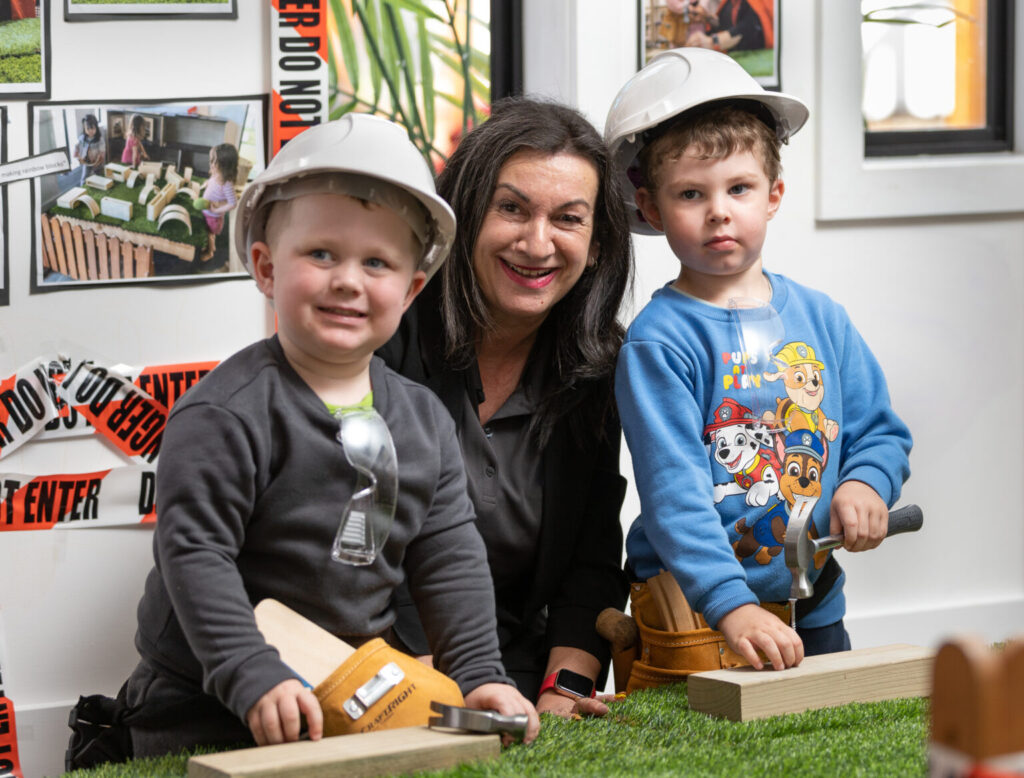
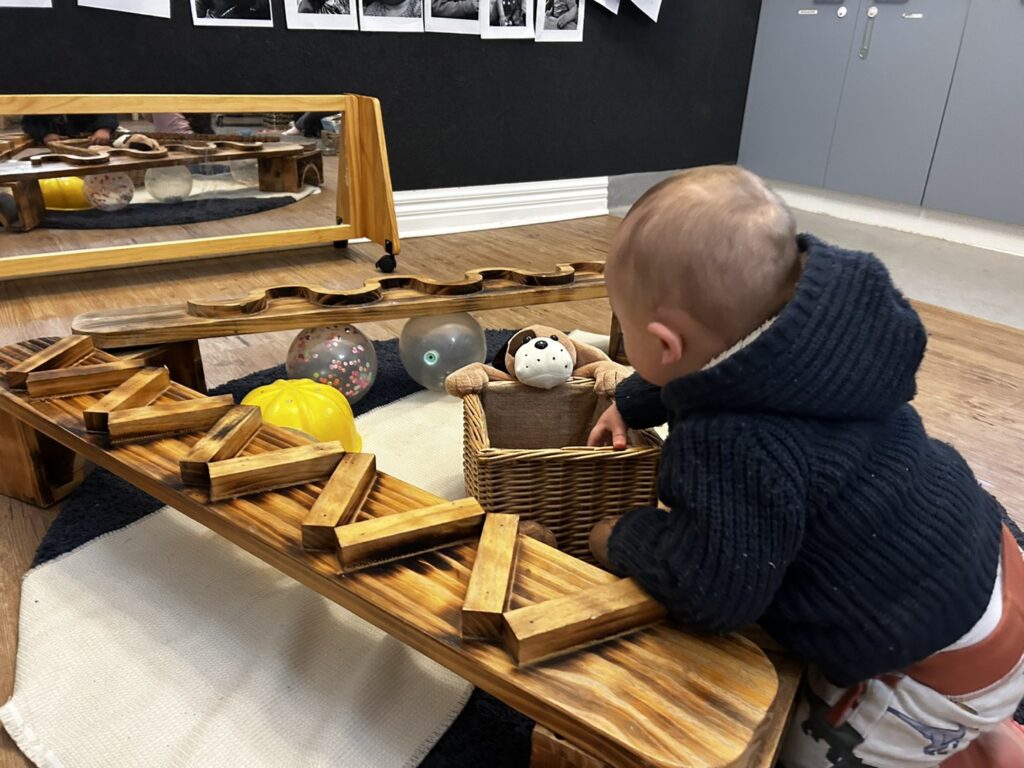
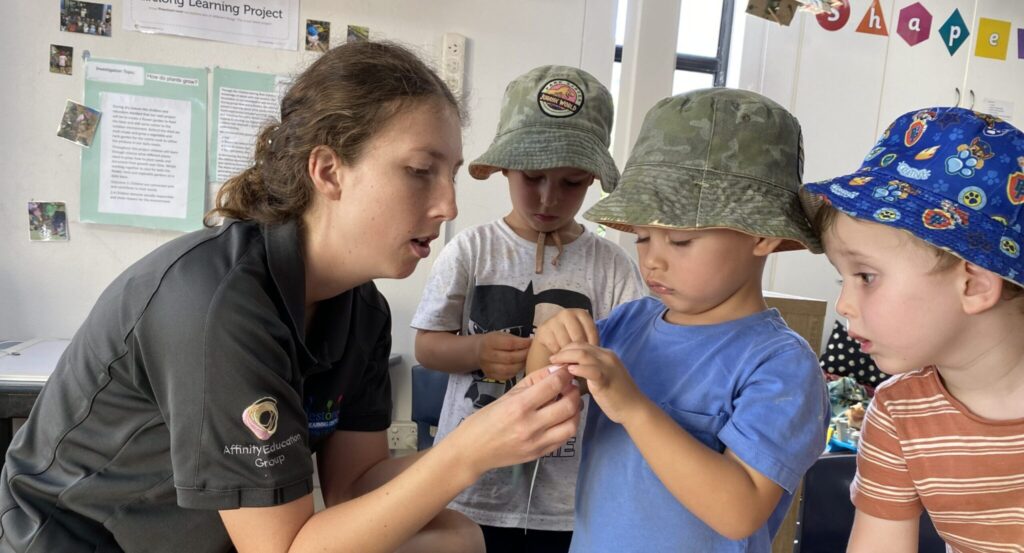
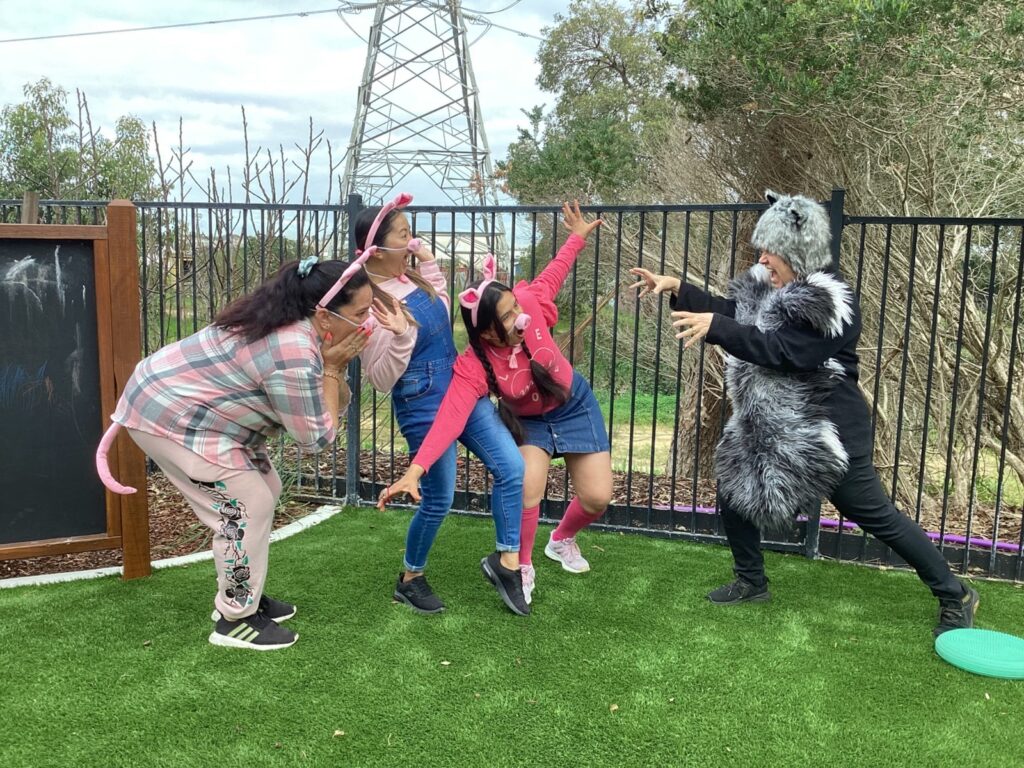
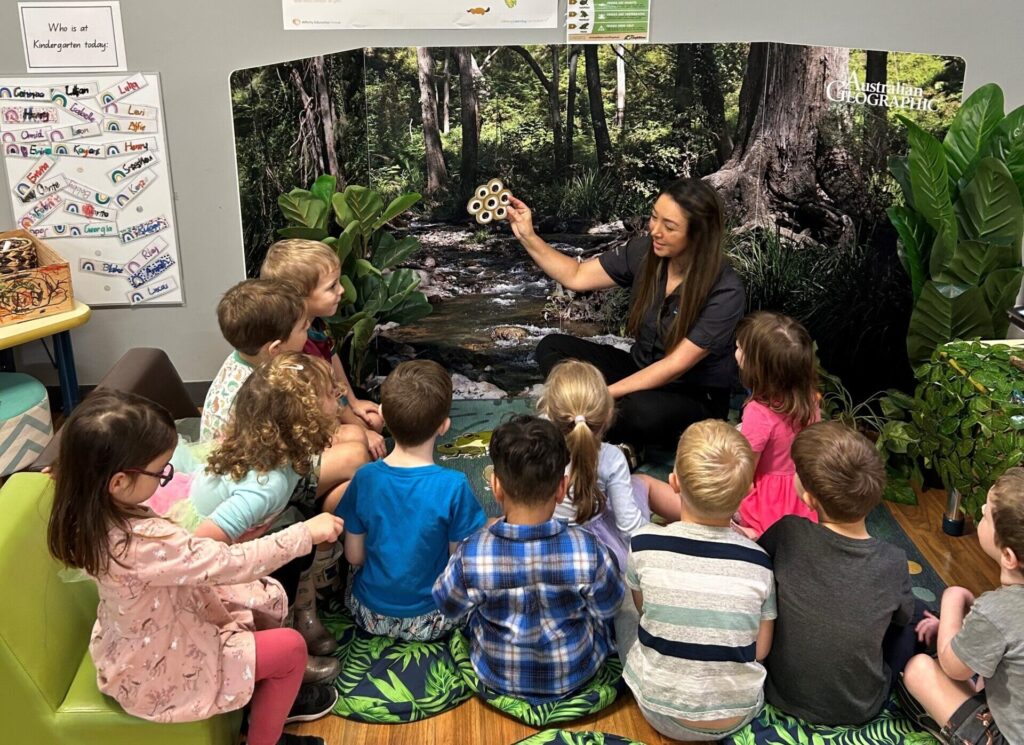
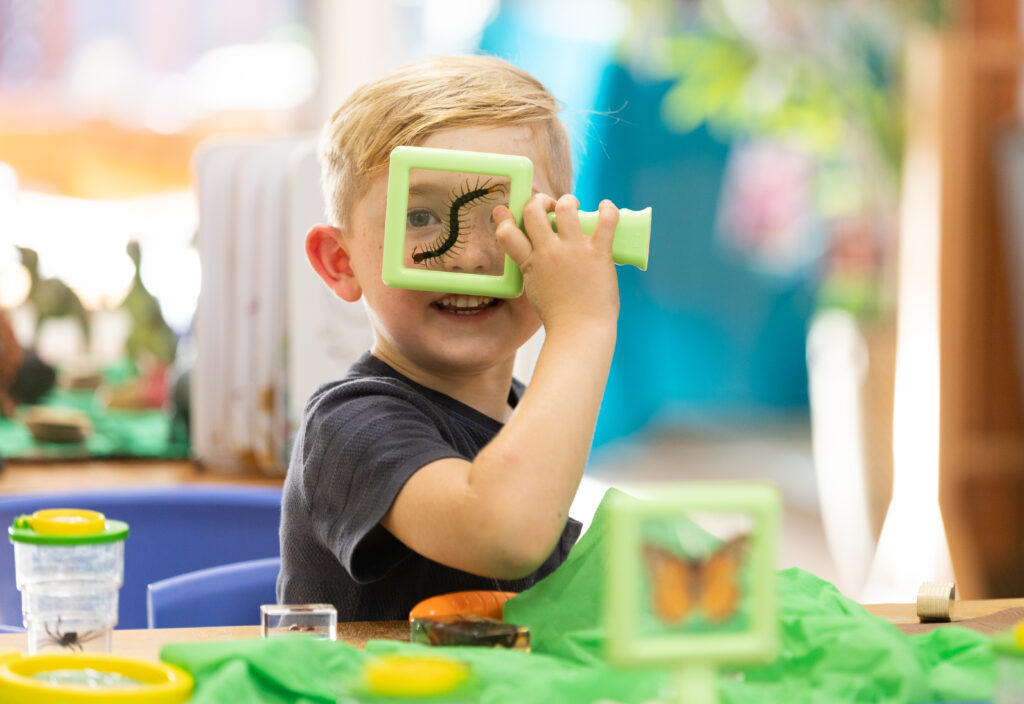
Every day, our educators work tirelessly to create a safe and stimulating environment in which your children’s love of learning can thrive. They do this by recognising, nurturing and extending their unique interests and talents to capture those wonderful child-led learning opportunities.
You may have heard the term ‘child-led learning’ but many parents are unsure about what it really means. Put simply, our educators help children learn in ways that are an extension of their own interests, talents and initiatives, rather than telling them what activities they have to do.
Alix Logan, Early Childhood Educator in the preschool and after school care rooms at our Milestones Early Learning West Kinross centre explains: “Child-led Learning is powerful - it recognises and reflects the interests of children even before they can fully express themselves verbally. By allowing the child to make choices about what they will learn, as opposed to them only following a set lesson plan, we encourage curiosity and confidence.”
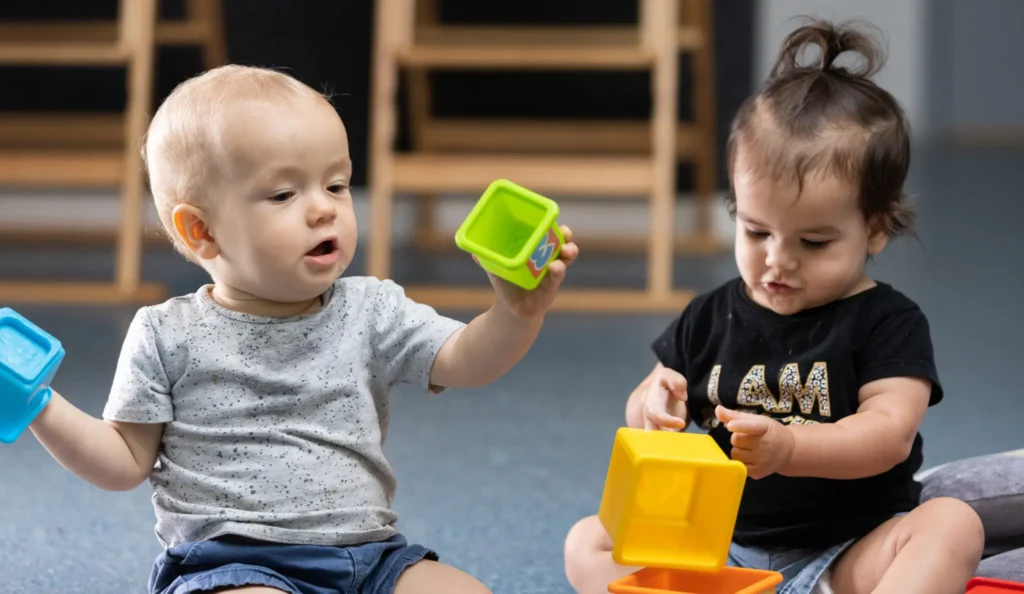
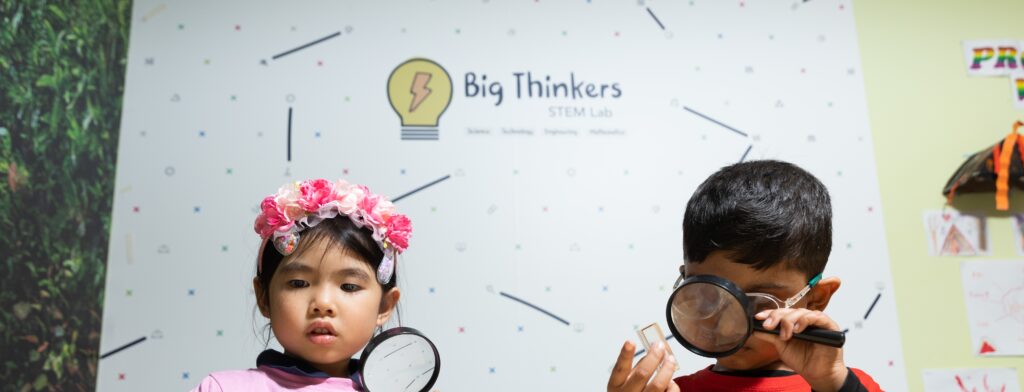
Our early childhood educators know your children learn best when they are interested and engaged, and are so absorbed in something they enjoy that they don’t even realise they’re learning! This is so important in the early years to enable children to explore their own interests and talents during a time that they are developing so rapidly.

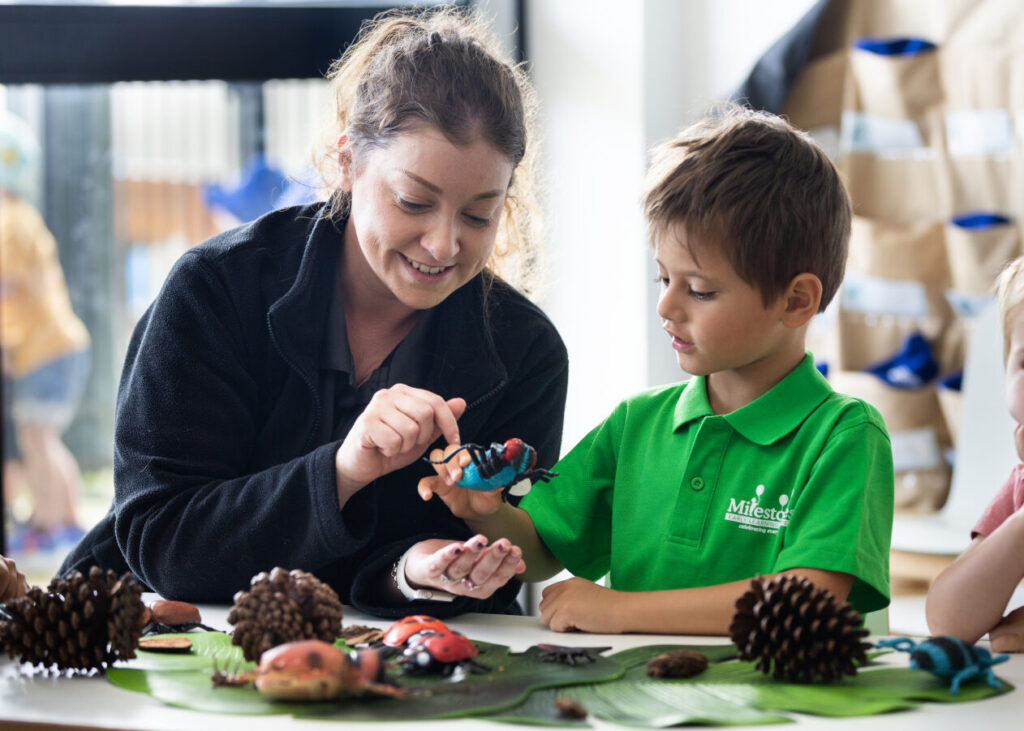
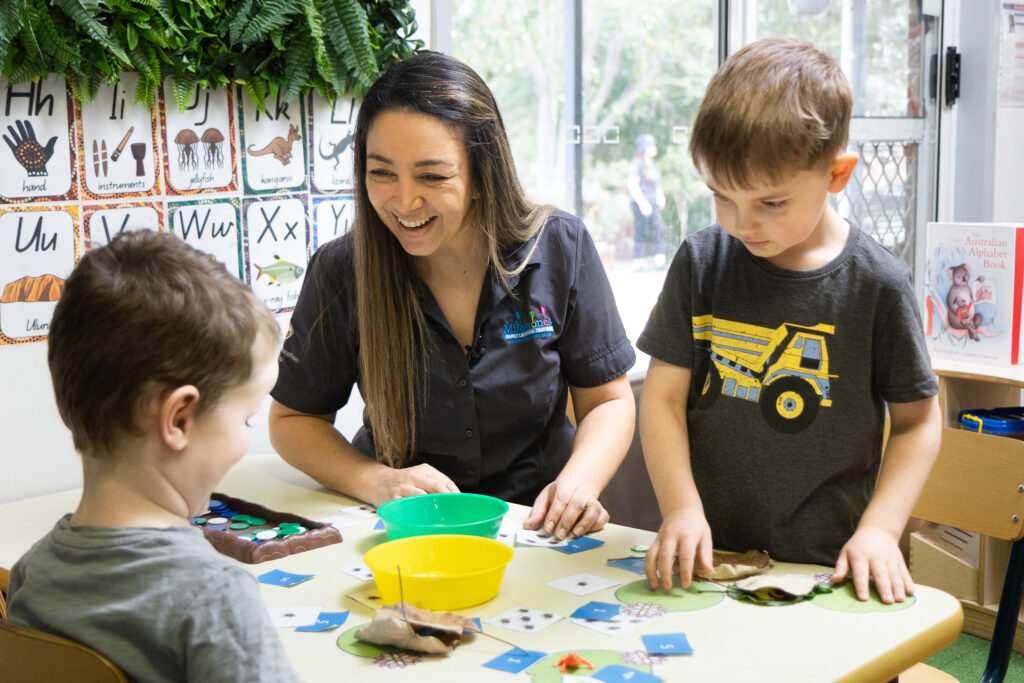
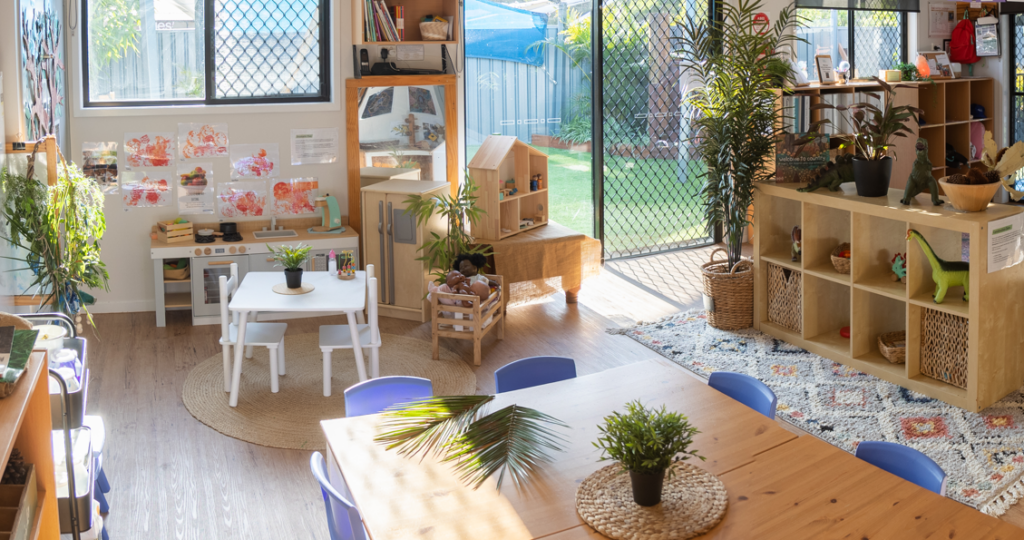
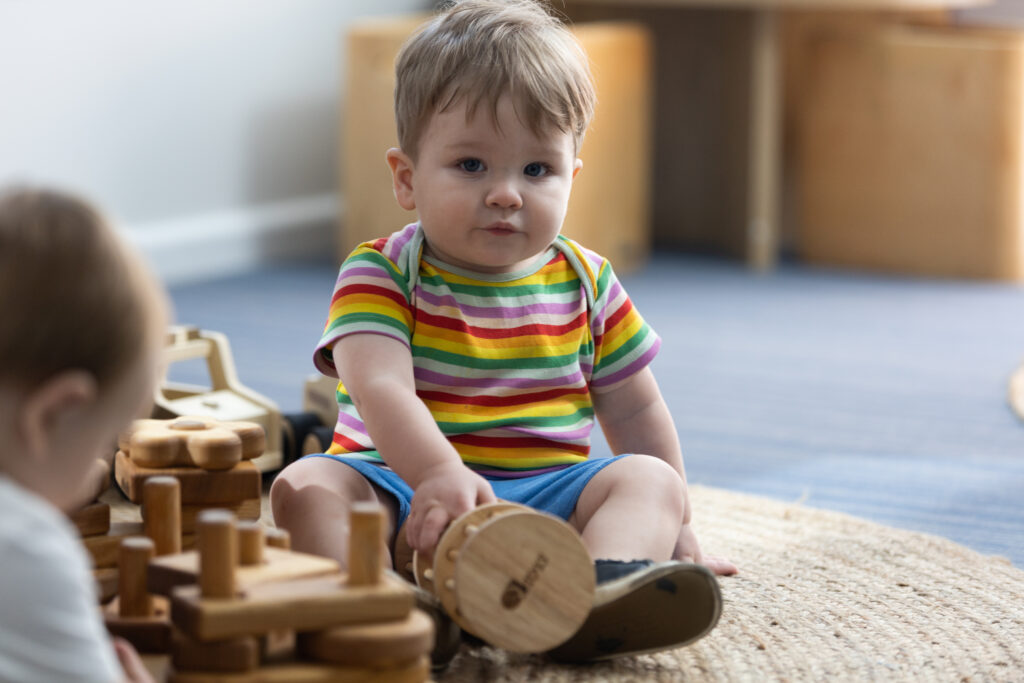
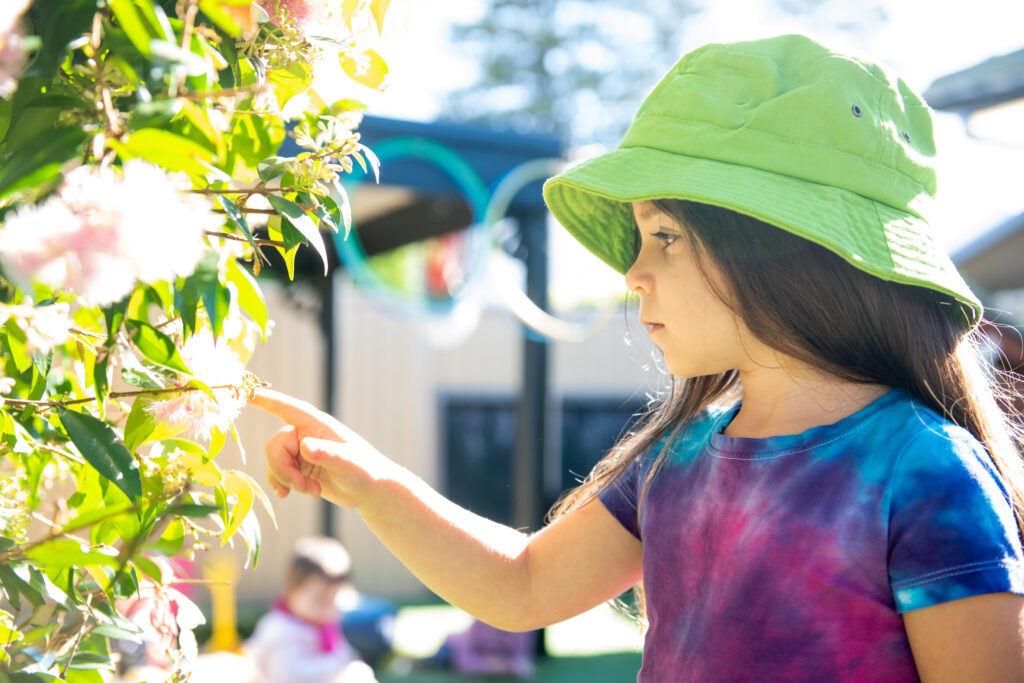
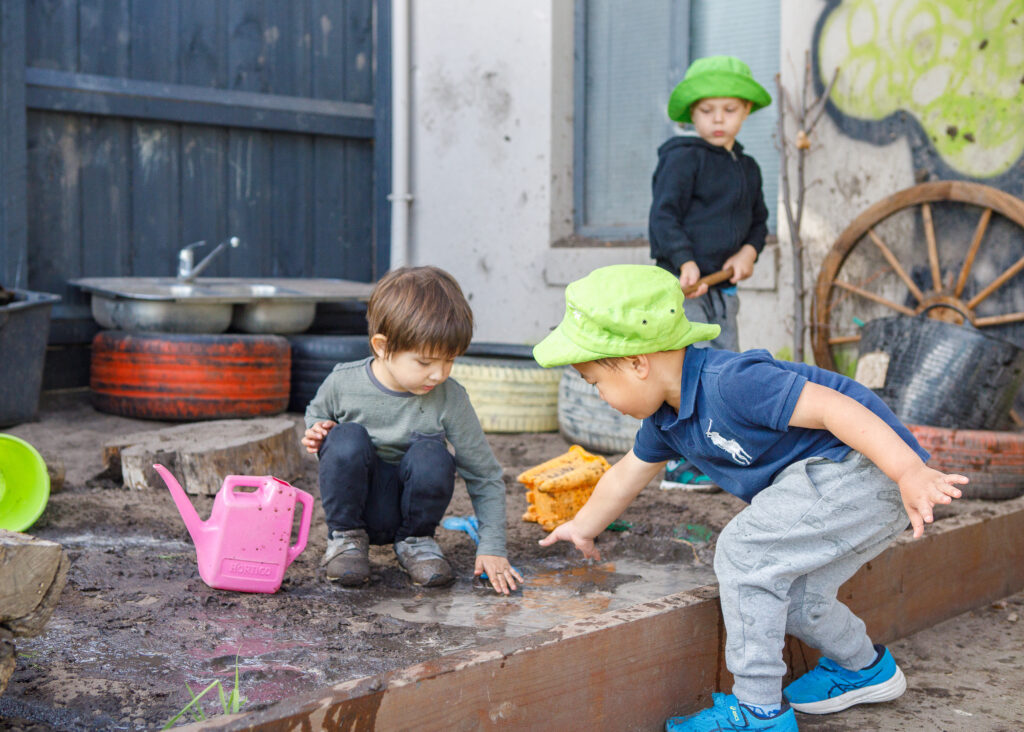
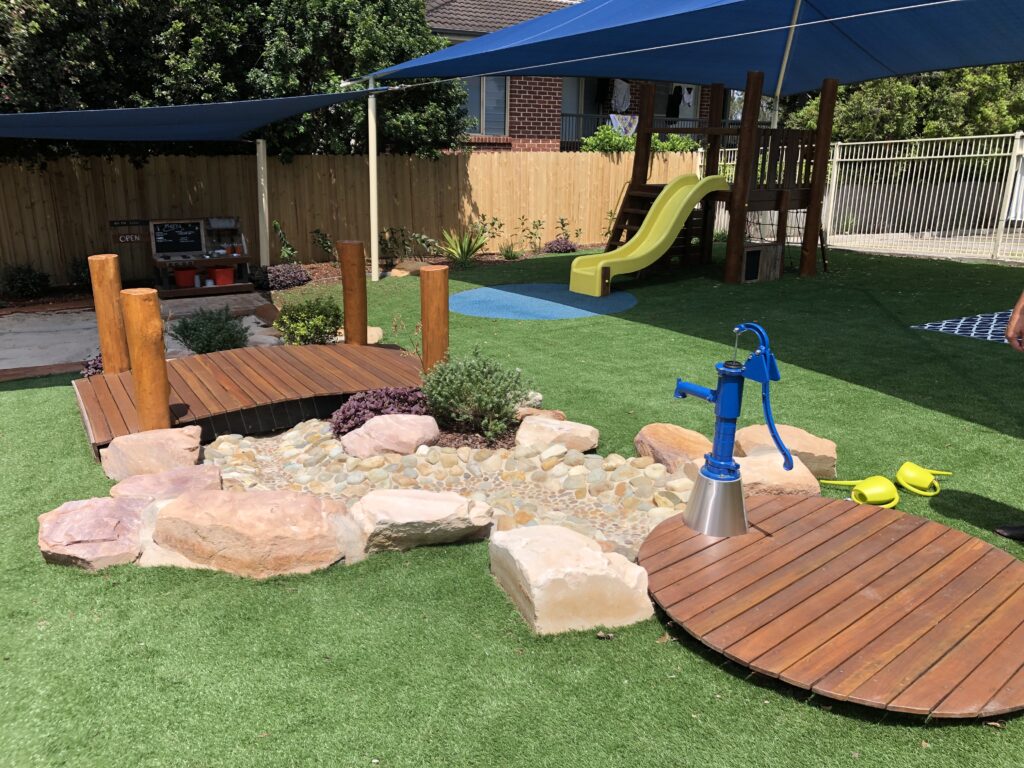
Time to explore at Milestones Early Learning West Kinross.
Here’s an example from Natasha Treasure, an Educator at Milestones Early Learning West Kinross of how a little boy called Mason’s interest in volcanoes led to a science experiment:
"Mason was playing with a bottle of water in the sandpit and dug a shallow hole to stand his bottle in and began to pull the sand around it creating a mountain like structure. When I asked what he was making, Mason explained that he wanted to make a volcano that could explode. After discussing how cool this would be and I could tell how interested he was, I told him that I knew how to make a volcano and his eyes lit up! We got some vinegar and bi-carb soda and mixed them together in his volcano and there were squeals of excitement as it bubbled up.”
Natasha continued. “The following week, Mason invited me to create THE BIGGEST MOUNTAIN EVER in the sandpit and this time he wanted to create a tunnel through it. He discovered that the top of the mountain fell down as he scooped the sand out from the middle and instead found a way to dig a hole to make his tunnel without it crumbling.
Still a week later, Mason and I reminisced about how cool it was that time we made a volcano. He started coming up with some more plans on how he could upgrade that volcano and landed on an underground volcano. When I pointed out that we wouldn’t see the eruption, he was determined to show me his theory so we grabbed the vinegar and headed back over to the sandpit.”
Natasha explained how important it is to listen to children’s ideas and ensure their voices are heard. We encourage them to go further and think about ‘what might be’ instead of ‘what is’ to draw out more creative thinking and encourage them to delve deeper into that magical world that is a child’s imagination!
Each of these experiences was shared with Mason’s family via the Storypark app, which is used in all Lifelong Learning Centres to ensure families are completely connected with our educators and their children at any time of the day. By sharing the interests’ children demonstrate at childcare, this helps families continue to encourage them at home. That way, parents join in the child-led learning journey as well!